Why a Garment Fits Differently the Second Time You Wear It
Quick Answer: Fabric relaxes and deforms with body heat and movement, so most garments reach their true shape only after several hours of wear and one wash. What you tried on was a garment at its firmest - factory-finished, unworn, often with sizing agents still in it. The second wear is closer to the real garment. Add in the fact that your own body measurements shift through the day and through the month, and a fit judgement made in one fitting room is a snapshot, not a verdict.
Here is what actually changes, and when to judge a garment properly.
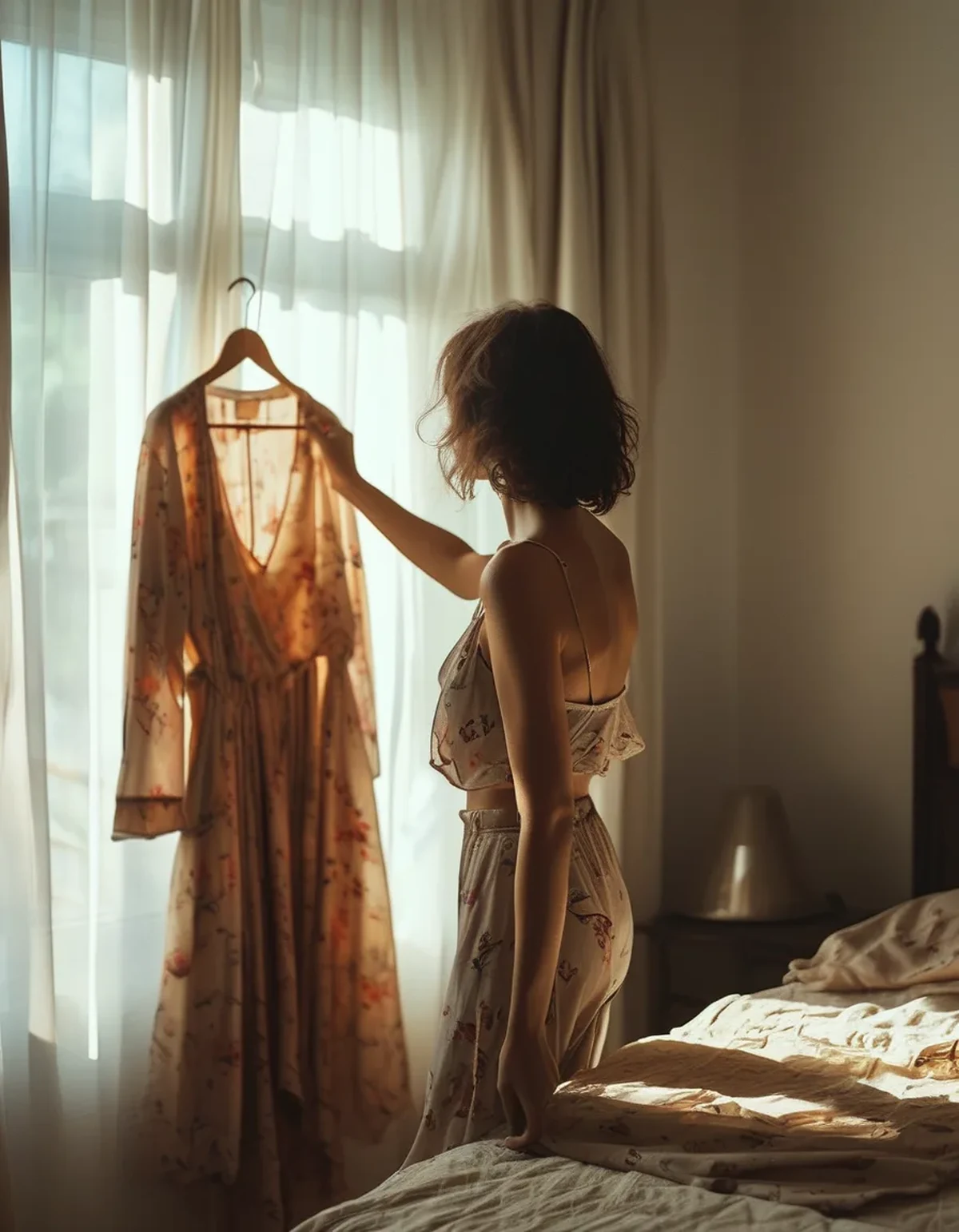
What changes about the garment itself?
Four things, on different timescales.
Fabric relaxes with heat and movement. Fibres under tension gradually deform when warmed to body temperature. Elastane in particular relaxes noticeably within the first hour of wear and recovers when the garment rests - which is the whole mechanism behind leggings that feel snug in the morning and loose by evening.
Finishing agents wash out. Many garments arrive with sizing, starch, or softening treatments applied at manufacture. These affect drape, stiffness, and sometimes dimensions, and they largely disappear in the first wash. A garment can genuinely be a different hand-feel after one cycle.
The garment takes the shape of your body. Knees, elbows, and seat areas stretch to accommodate the joints beneath them. This is permanent deformation in most fabrics, partly recovered by washing but never entirely.
And some fabrics shrink on the first wash. Cotton and cotton blends especially - the yarns relax back toward their pre-tension length, which is why a cotton garment can be tighter after washing while a synthetic one is looser after wearing. These two effects run in opposite directions, which is why fit changes are so hard to predict without knowing the fabric.
Which means the fitting room garment is the least representative version of it that exists. It has been folded or hung, never warmed, never moved in, and never washed.
What changes about your body?
More than people account for, and on several cycles at once.
Through the day. You are measurably taller in the morning - spinal discs decompress overnight and compress through the day, typically by a noticeable amount. Waist measurement increases through the day with digestion, and feet swell, which is why shoes bought in the morning frequently do not fit by evening.
Through the month. Hormonal fluctuation causes water retention, and waist and bust measurements can shift meaningfully across a cycle. A garment tried on in one week can genuinely fit differently in another with no change in body composition.
With salt, alcohol, sleep, and heat. All affect fluid retention. A poor night’s sleep or a salty meal changes how a fitted waistband sits, and warm weather increases peripheral swelling.
With training. A hard leg session leaves muscles temporarily swollen. Trousers genuinely fit differently for a day or two after heavy training, which is a real effect and not a perception one.
And with posture and mood, which affect the mirror rather than the measurement. How you stand changes how a garment hangs, and how you feel changes what you notice - both of which are real inputs into a fit judgement even though neither is about the garment.
Put together, a fit judgement carries several sources of variation that have nothing to do with the size on the label. Which is why the same person genuinely wears three different sizes and every one of them is correct.
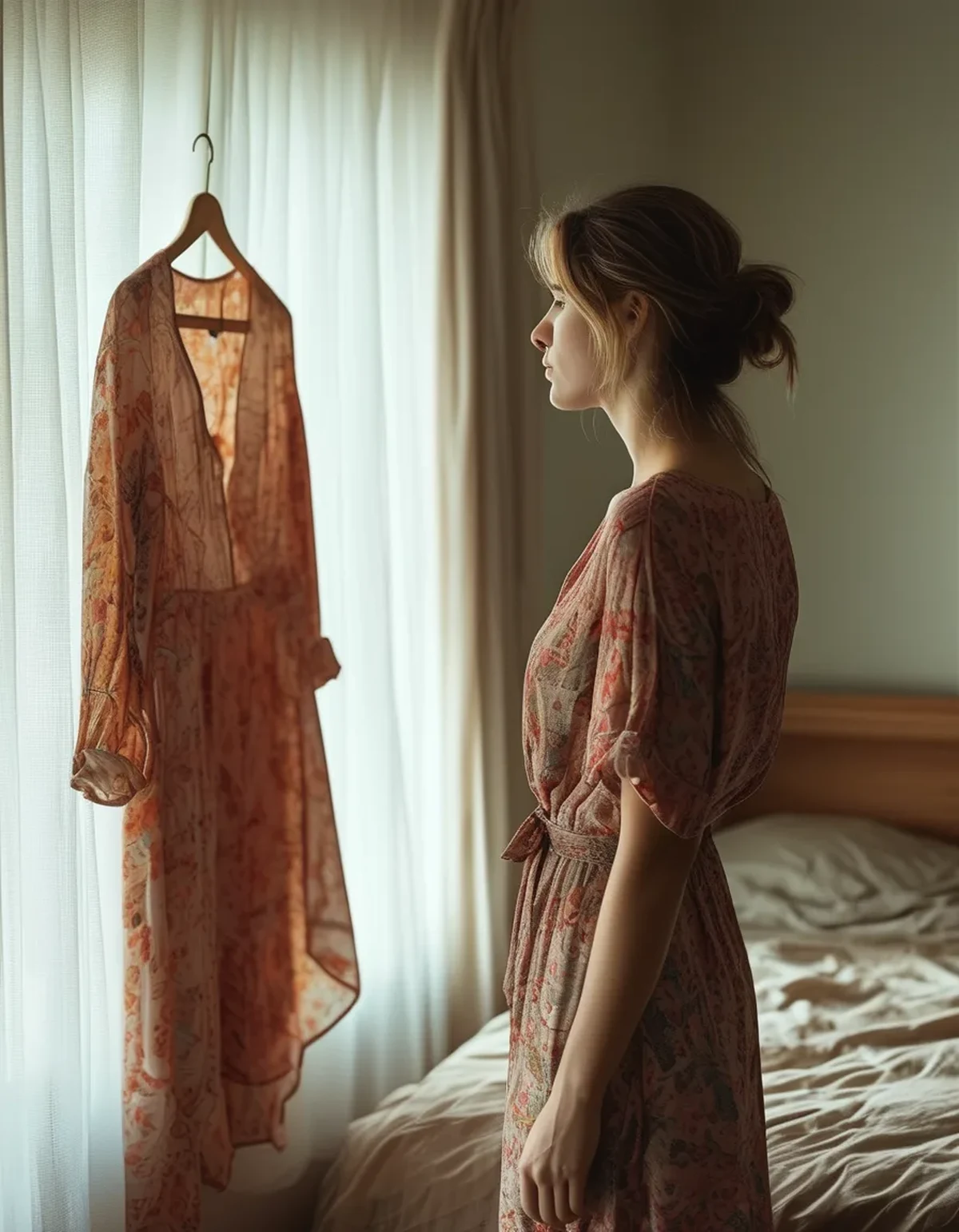
What Nobody Tells You About Judging Fit
The fitting room is the worst place to judge fit. Overhead lighting, an unfamiliar mirror, a cold garment, no movement, and time pressure. Almost every variable is set against an accurate judgement.
Sit down before you decide. Almost nobody does. A waistband that is fine standing can be genuinely uncomfortable seated, and most of us spend more of the day sitting than standing in front of a mirror.
Judge at the second wear, not the first. The first wear is the garment at its firmest. If it is slightly snug new and the fabric contains elastane, it will almost certainly relax. If it is slightly loose new, it will get looser.
Different fabrics move in opposite directions, which is why one rule cannot cover everything. Elastane blends relax with wear and recover in the wash. Cotton shrinks in the wash and stretches with wear. Knowing which you have tells you which way to size.
Vanity sizing means the number tells you almost nothing across brands, and sizing frequently changes within a brand between seasons. Comparing a size number across two brands is not a meaningful comparison - and it is the comparison everyone makes.
What you wear underneath changes the verdict more than a size step does. A different bra or different underwear can change how a garment sits more than moving one size would. Trying on with what you would actually wear underneath is worth more than any other fitting-room habit.
And the mirror and the camera disagree for real reasons. A mirror shows you a reversed image you are habituated to; a camera adds lens distortion and flattens depth. Neither is the truth, and preferring one over the other is a choice about which distortion you find more familiar.
How should you actually judge a new garment?
A sequence that produces a decision you will still agree with in a month.
1. Try it on at the time of day you will wear it. Evening for evening wear, morning for work clothes. This alone removes a large source of error.
2. Wear what you would actually wear underneath. The single highest-value fitting-room habit.
3. Move in it. Sit, reach overhead, walk a few steps, bend forward. Thirty seconds, and it exposes most problems that standing still conceals.
4. Check the shoulder and armhole first on tops, and the rise and thigh first on bottoms. These are the areas that cannot be altered easily - hems and waists usually can be.
5. Note whether it is snug or loose, and check the fabric. Elastane content means it will relax with wear. A high cotton content means it may shrink with washing. Size for where it is going, not where it is.
6. Wear it at home for a full evening before removing tags, where retailer policy allows. The second hour tells you more than the fitting room did.
7. Judge again after one wash and one full wear. This is the real verdict, and it is the one most people never get to because the return window has closed.
And a note on the return window itself: many policies are short enough that a proper judgement is not possible within them. When you are unsure, that is a reason to choose the retailer with the longer window, not to make a faster decision.
On care, which affects fit permanently: wash cool, skip fabric softener on anything with elastane (it degrades recovery, which is what makes garments go baggy), and never tumble dry stretch fabrics. Most garments that lost their shape were not badly made - they were dried hot.
FAQ: Fit and Fabric, Answered
Why does a garment feel different the second time I wear it?
Fabric relaxes with body heat and movement, finishing agents wash out, and the garment starts taking the shape of your body. The fitting-room version is the firmest, least representative version of the garment.
Should I size down if something is slightly snug?
It depends on the fabric. Elastane blends relax noticeably with wear, so slightly snug new often becomes correct. High-cotton garments may shrink on washing, so slightly snug new can become too small.
Why do my clothes fit differently in the evening?
Spinal discs compress through the day, waist measurement increases with digestion, and feet swell. These are measurable daily changes, not perception.
Does what I wear underneath really matter that much?
Often more than a size step. A different bra or different underwear can change how a garment sits more than moving up or down one size would.
Why does the same size fit differently across brands?
There is no enforced standard, sizing varies by brand and by target demographic, and it often changes between seasons within a brand. The number on the label is not a comparable measurement.
Why does the mirror disagree with the photo?
A mirror shows a reversed image you are habituated to; a camera introduces lens distortion and flattens depth. Neither is objectively accurate, and each distorts differently.
What is the biggest cause of garments losing their shape?
Heat. Tumble drying degrades elastane, and fabric softener reduces its recovery. Most garments that went baggy were dried hot rather than badly made.
TL;DR:
- Fabric relaxes with body heat and movement, finishing agents wash out, and the garment starts taking your shape - so the second wear is closer to the real garment.
- Elastane blends relax with wear; cotton shrinks with washing. The two run in opposite directions, which is why one sizing rule cannot cover both.
- Your body changes through the day (spinal compression, digestion, swelling), through the month, and after hard training.
- The fitting room is the worst place to judge fit - cold garment, unfamiliar mirror, no movement, time pressure.
- Sit down, move, and wear what you would actually wear underneath. That last one changes the verdict more than a size step.
- Check shoulders and armholes on tops, rise and thigh on bottoms first - those are the parts that cannot be altered.
- Size numbers are not comparable across brands, or reliably within one across seasons.
Most garments that lost their shape were dried hot, not badly made. Wash cool, skip softener, air dry.
Keep Reading
This article is for general informational and styling purposes only. Fit, sizing, and product availability may vary.
