Why the Exact Same Outfit Photographs Completely Differently Depending on Lighting
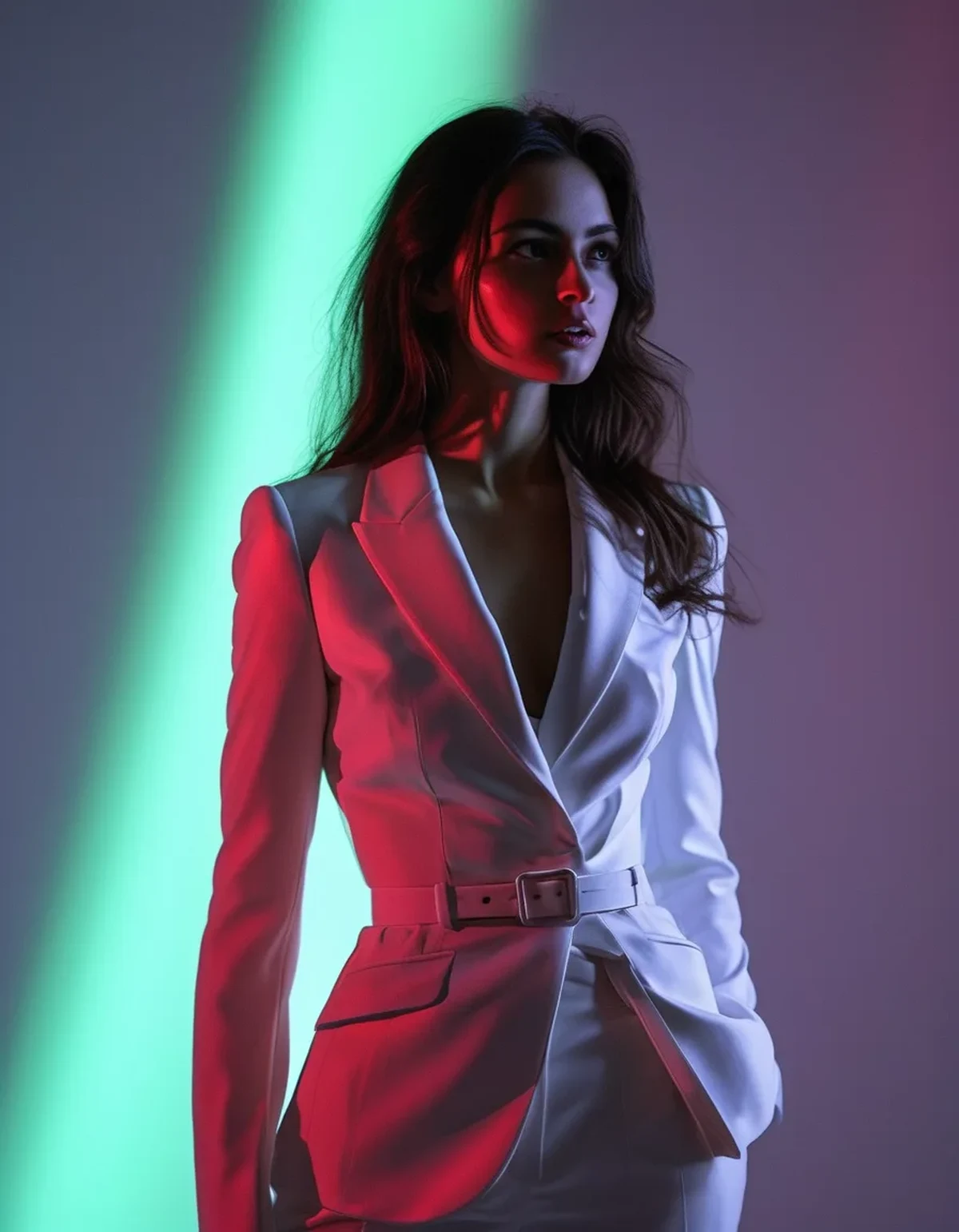
Quick Answer: Overhead and side lighting create shadows that emphasize texture and curves in ways front-facing, diffused light doesn’t, so the same outfit can look noticeably more or less flattering purely based on where the light source is positioned relative to your body — not because the outfit or your body actually changed.
It’s a common moment of doubt: the same fit looked great in the dressing room mirror and disappointing in a photo an hour later.
Why does overhead lighting specifically distort how clothes look?
Overhead light casts shadows downward, which can create the appearance of extra shadow under the chest, around the waistband, or under the arms — areas that read as smooth and even under front-facing light. This is why dressing room lighting (often overhead and harsh) can make the same outfit look different from how it looks in a photo taken with light coming from the front or side.
How does diffused versus direct light change the read on fabric texture?
Direct, harsh light exaggerates every wrinkle, seam line, and fabric texture, while diffused light (like an overcast day or a softbox) smooths those details out significantly. A ribbed or textured fabric that looks interesting in soft light can look busier or less flattering under direct sun, purely as a lighting effect rather than a change in the garment.
Does the color of the light itself play a role, separate from direction?
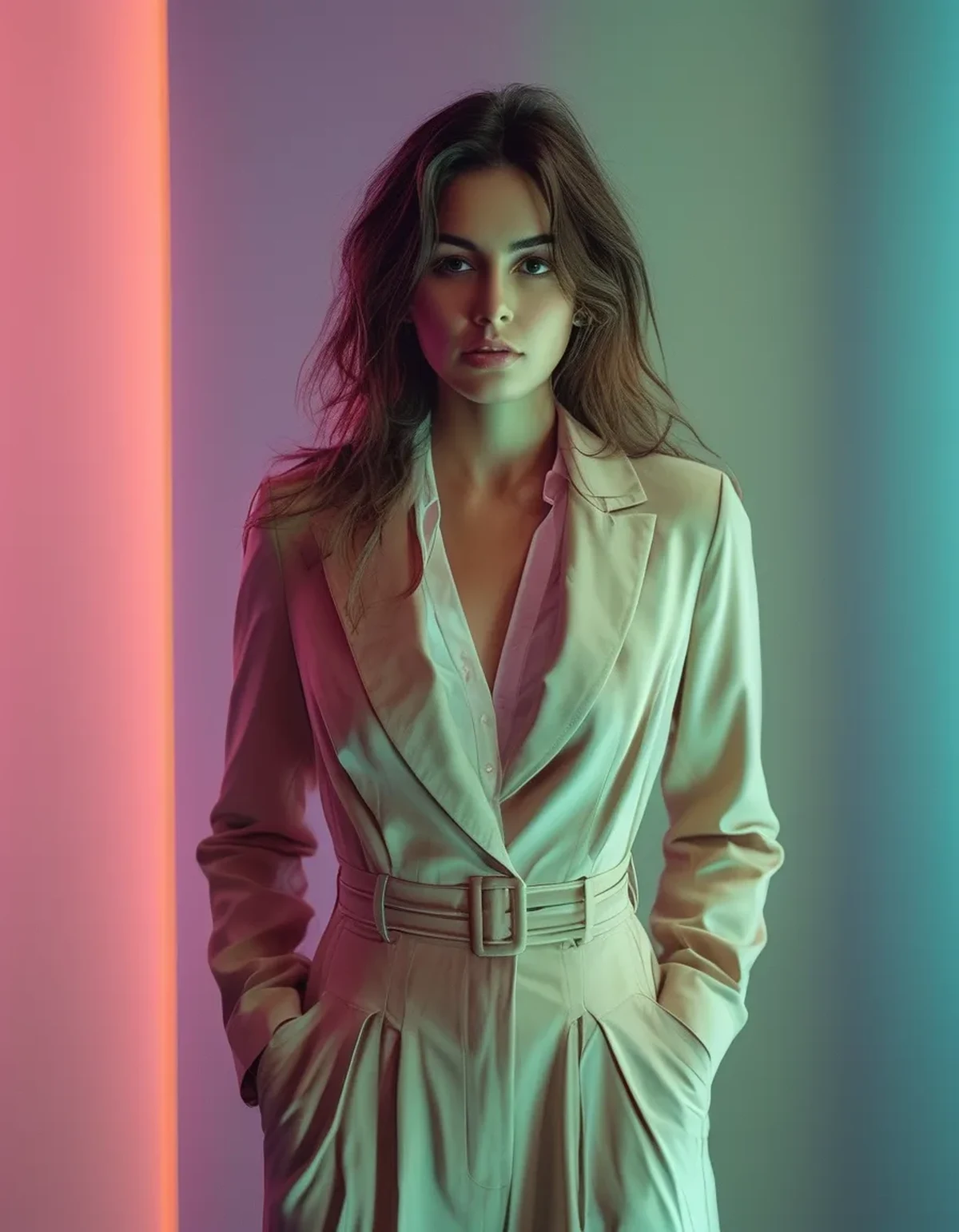
Yes — warm-toned light (golden hour, indoor incandescent) tends to be more universally flattering to skin and fabric color than cool-toned light (fluorescent, overcast blue-hour), which can make the same outfit’s color look slightly different and can affect how the overall photo reads. This is part of why the same outfit photographed at different times of day genuinely does look different, not just due to perception.
Myth vs Fact: Outfit Photos and Lighting
Myth: If an outfit looks different in two photos, the outfit fits differently. Fact: In most cases the fit hasn’t changed — the direction and quality of light has.
Myth: Dressing room mirrors are the most reliable place to judge an outfit. Fact: Dressing room lighting is often overhead and harsh, which can misrepresent how an outfit will look in more typical lighting.
Myth: Only bad photographers get inconsistent-looking results. Fact: Lighting conditions change throughout the day regardless of skill, and even professional photos vary based on available light.
FAQ: Outfit Photo Lighting Questions, Answered
What’s the most reliable lighting for judging how an outfit actually looks?
Soft, diffused, front-facing natural light — like near a window on an overcast day — gives the most consistent, representative read on fit and color.
Should I avoid trusting dressing room mirrors altogether?
Not entirely, but treat overhead-lit dressing room impressions as one data point rather than the final verdict, especially for texture-heavy fabrics.
Does phone camera quality affect this as much as lighting does?
Lighting has a bigger effect than camera quality in most cases — even a high-end camera can’t fully compensate for harsh overhead or mixed-color-temperature lighting.
TL;DR:
- Overhead lighting casts shadows that can make the same outfit look less flattering than front or side light
- Direct light exaggerates fabric texture and wrinkles; diffused light smooths them out
- Warm-toned light is generally more flattering to both skin and fabric color than cool-toned light
- The outfit and your body usually haven’t changed between photos — the light has
Next time a photo feels disappointing, check the lighting before questioning the outfit — soft, front-facing natural light is the fairest test any garment can get.
Keep Reading
This article is for general informational and styling purposes only. Fit, sizing, and product availability may vary.
